

Bay of Islands · Since 2008
Handmade Skimboards from New Zealand
Quick, affordable shipping across NZ, to Australia & worldwide.
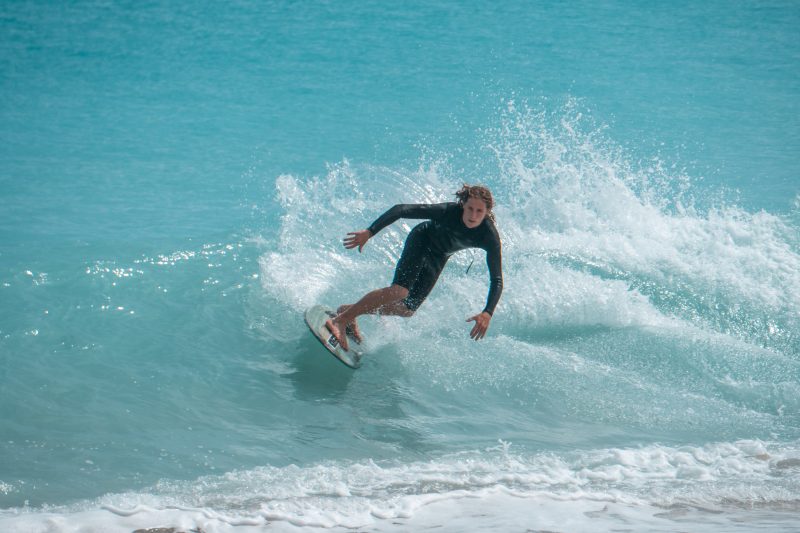 Wave SkimboardsShorebreak & waves · from $479Shop
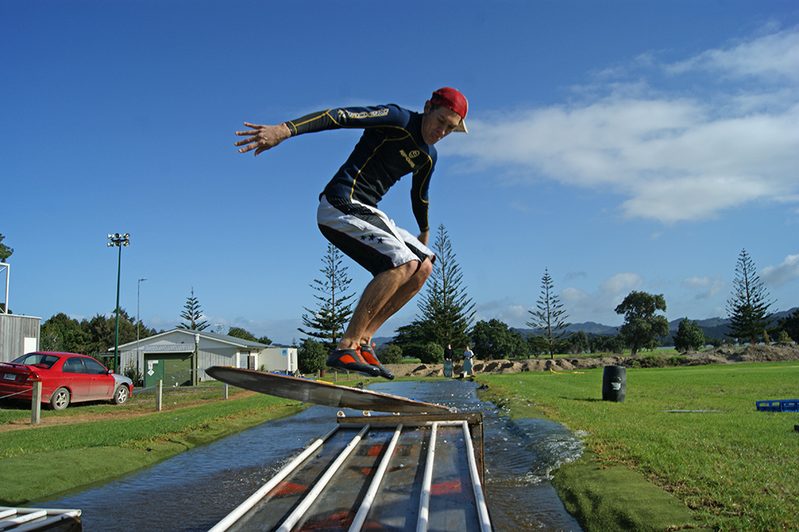 Flatland SkimboardsShallows, rails & long runs · from $249Shop
 TractionSticky Johnson pads · from $127Shop
Featured boards
Shop all boards →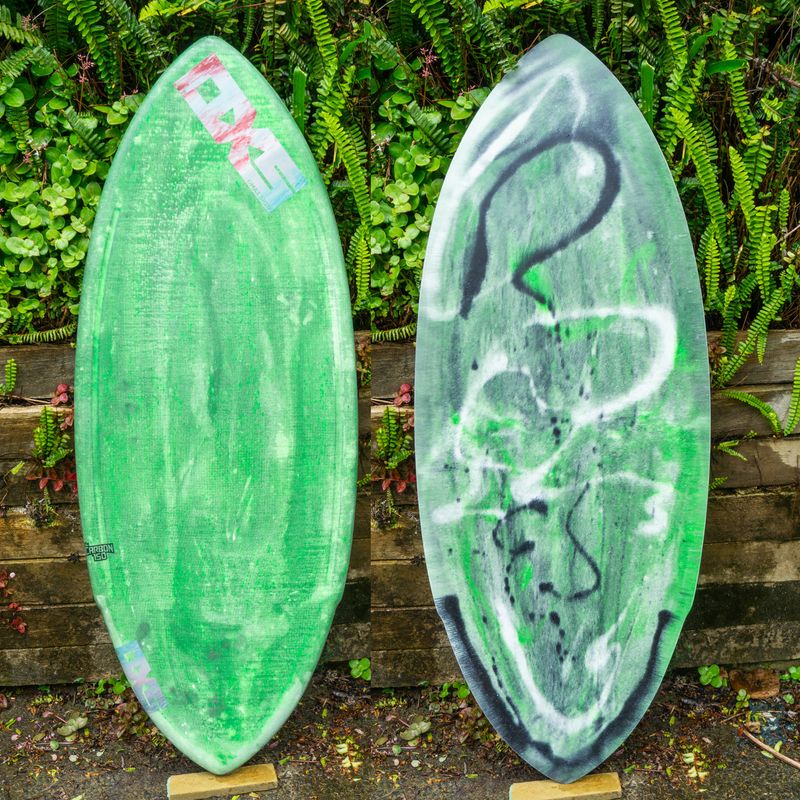 Wave · Carbon
OXS Benter M Carbon 150
$849.00
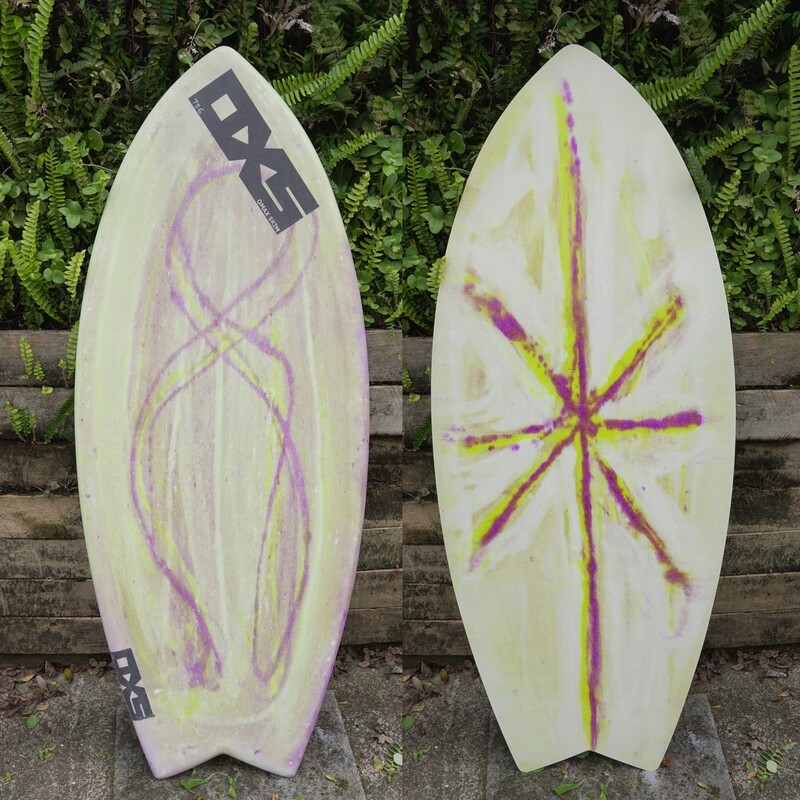 Wave · E-glass
OXS Kingfish M
$549.00 $599.00
 Wave · E-glass
OXS Crabba M
$669.00 $724.00
 Wave · Younger riders
OXS Flave XL
$499.00
 Flatland · Beginner
OXS Gromlin
$249.00 $349.00
 Flatland · Rails
OXS Slipeezy L
$349.00
Prices in NZD · Afterpay available
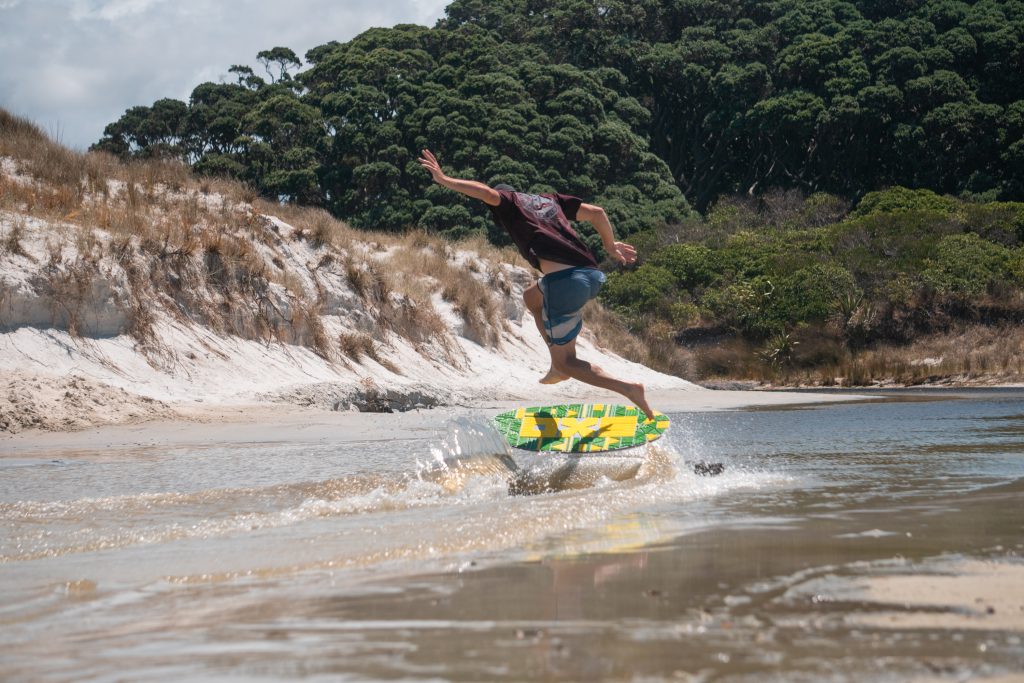
Made in Dad’s garage in 2008. Ridden around the world today.
Every OXS board is handmade in the Bay of Islands from the highest-grade materials — for less outlay than other top brands.
Our storyQuestions we get asked
What board do I need?
It depends on your beach and budget. Tidal pools or rails: a Slipeezy. Flat shoreline: a Gromlin (best value) or an e-glass wave board. Shorebreak: your chosen wave model in the right size. Sizing matters more than model while you learn — and carbon is worth the extra spend.
What’s your warranty?
No formal warranty — if a board has a genuine defect (about once a year), we simply replace it. Damage from hitting rocks isn’t a defect.
Why do they cost more than store-bought boards?
A $40 store special doesn’t really work. These are handmade here in the Bay of Islands from the best materials, and in this part of the world they’re hundreds of dollars cheaper than similar boards made overseas.
How are boards shipped, and what if one gets damaged?
Boards go out in cardboard packaging with several couriers. They’re well protected — and if anything happens in transit, you’re covered 100% and we handle the claim.
What makes a beach good for skimming?
For true flatland skimming, look out for smaller creeks running onto the beach, or tidal pools, fairly free of shells and rocks. Shells and rocks can be hard on boards, and particularly hard on human flesh. For waves, a lot of beaches need slope, which isn’t always there, so checking at all tides (usually around high tide) helps. Once you have your eye for detail, it all comes easily.
Still not sure? Every board has a clear description of what and who it’s designed for — or ask Sam.

Setting yourself up for a flatland skim session
Skimming flatland in bad conditions hurts. Sam’s tips for finding the ideal spot and setting up right.
Watch & read →